
Bug Off: Does Splatter Matter?
By Julie Sacco - DarkSky Chi Advocate
Summer road trips used to mean that somebody had to scrape the sticky, smeared remnants of dead moths, fireflies, mosquitoes, beetles and other stray pollinators from the car’s windshield and headlights. However, drivers today say that they’ve noticed less bug splatter over the past several years. It’s not just their imagination. The term “windshield phenomenon” refers to the noticeable and quantifiable decline in the number of insects hitting windshields over the years.
Bioluminescence mimicry
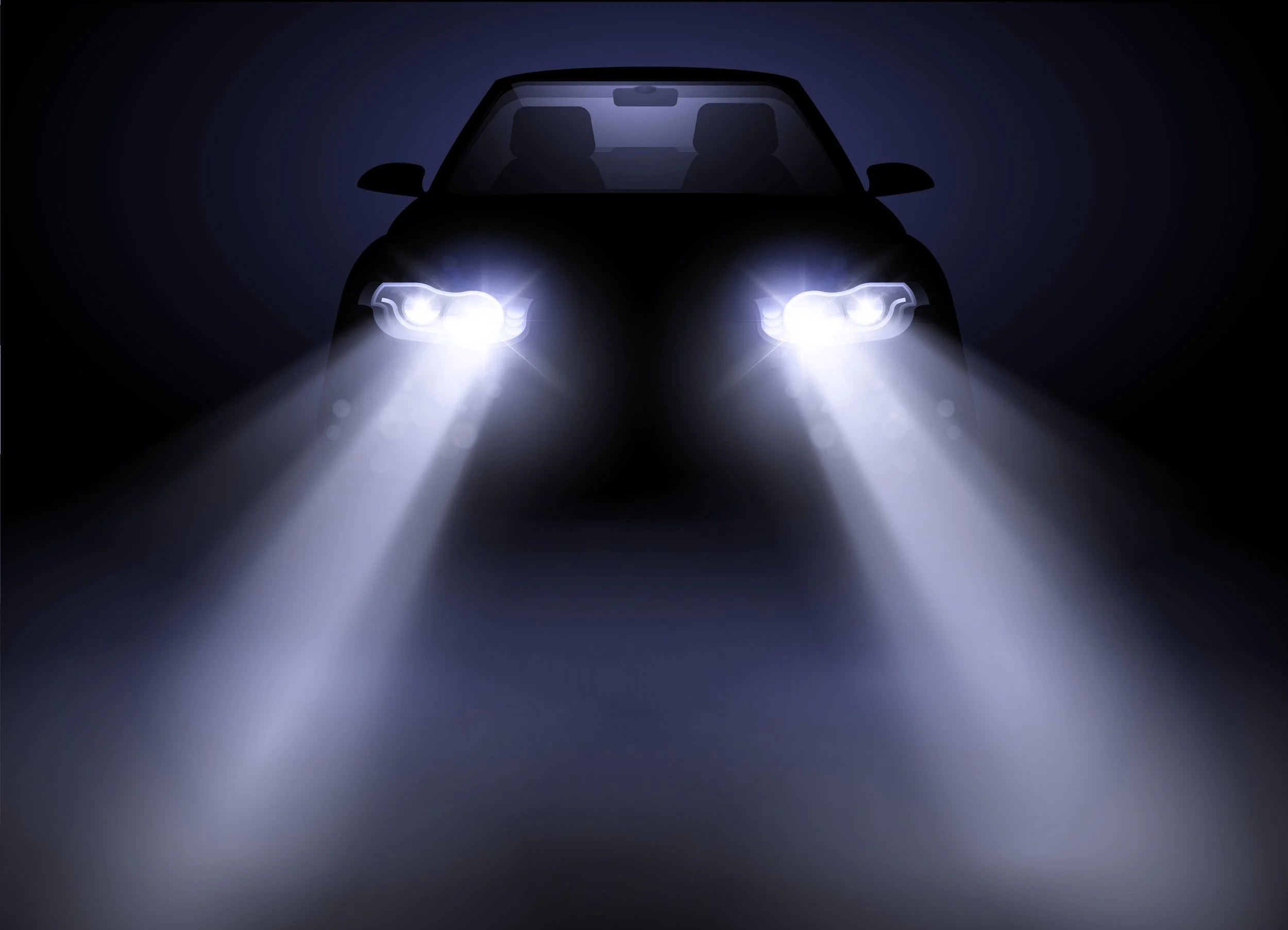
Of course, daytime “bug splats” (yes, that’s what it’s called) happen, but most occur at night. That’s because flying insects fly towards light and mistake headlights for natural sources such as moonlight. Flying only 4-5 feet off the ground, the confused insects are headed for a deadly crash.
Bug eyed
Insects generally have poor eyesight. When a fast-moving vehicle approaches, a bug in the headlights cannot take evasive action quickly enough to prevent contact, putting them on a collision course with your windshield. More than 40% of these tiny nocturnal roadkill victims are crucial pollinators, and without them our food supply becomes compromised.
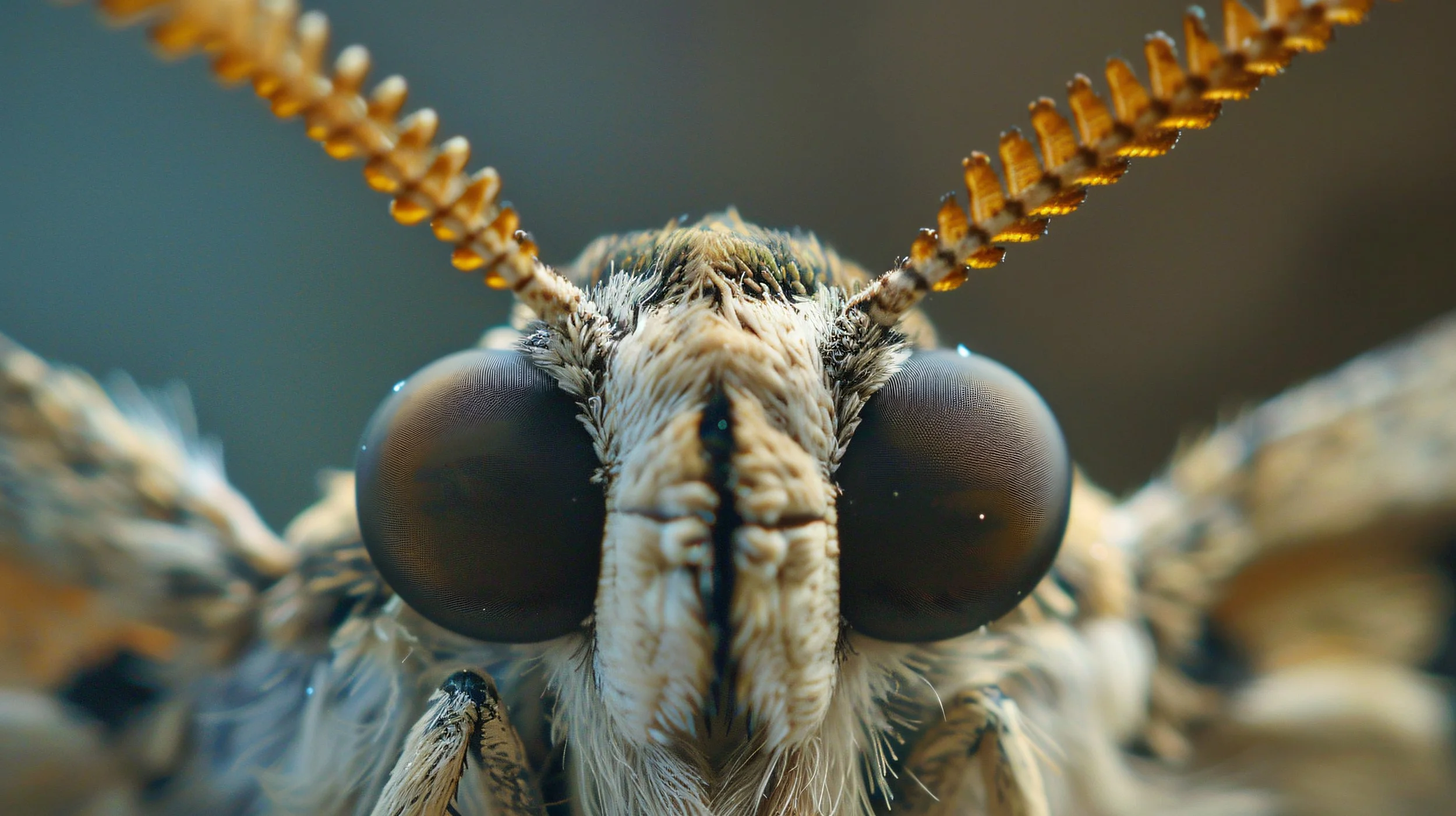
Insects don’t have eyelids!
Headlight highlights
The relationship between headlights and bug splat can be illuminated by three factors.
First, the greater the intensity of light, the farther away insects can detect it and become disoriented. For this reason, high beams are more fatal to insects than low beams.
Next, although it is commonly thought that insects are attracted to light, the biological fact is that artificial lights disrupt their internal navigation capabilities. High beams confuse their sense of navigation and cause them to flutter erratically or fly into the beams.
Finally, vehicular high beams are increasingly manufactured with shorter light wavelengths, such as blue and UV light, which attract insects.
Shedding light on splatter solutions
Artificial Light At Night (ALAN) from fixed sources is a well-known ecological stressor. Now, a 2026 research study of Vehicular Light At Night (VLAN) describes this rapidly growing type of nocturnal danger to insect populations. What can a driver do to minimize nighttime insect splatter?
Use low beam headlights instead of high beams when possible. High beam wattage is typically 60-70W, compared to 45-55W for low beams. But the real difference is in how their reflective housings focus the light: low beams aim downward for close-range/city driving (150-200 feet ahead), while high beams project straight ahead for long distance visibility (230-350 feet).
Avoid using decorative grille lights.
Use fog lights only if necessary. These are specialized, low-mounted auxiliary lights that minimize glare while increasing road visibility during thick fog, heavy rain, or snow. They produce a wide, flat beam that undercuts the fog to illuminate the lane directly ahead.
Reduce speed to give nearsighted insects a chance to fly out of the way.
Install a bug deflector on your car’s hood to redirect airflow, which will send flying insects up and over your windshield.
So, does splatter matter?
Insects reproduce so rapidly that, according to an annual report published in 2025 by Turtle Wax (the car care company), there are trillions of them sharing our space 24/7. But anthropogenic ecosystem alterations, plus around-the-clock bug fatalities due to cars, along with chemically poisoned food sources, have been drastically reducing insect numbers for decades. Yes, splatter matters. It might not be eliminated, but it can be better controlled by every driver.
REFERENCES
https://explorer.natureserve.org/Taxon/ELEMENT_GLOBAL.2.113611/Lethe_anthedon
https://www.turtlewax.com/pages/turtle-wax-2025-bug-splatter-report
https://www.dodsonbros.com/led-lights-flying-insects/
https://hypertextbook.com/facts/2005/YatManTsui.shtml
https://undergroundlighting.com/collections/led-fog-lights-for-cars-trucks-and-suvs